

A Personal Journey Toward Longevity in Singapore
Living in the heart of Singapore, a city that never stops evolving, I’ve learned that thriving long-term means embracing habits grounded in science and tailored to the urban lifestyle. As an executive navigating high demands, I’ve come to value preventive screening and evidence-based routines that support both mind and body. Let me share some of these habits with you, blending local culture and practical steps for aging healthily in our dynamic city.
Understanding Longevity Through the Lens of Urban Wellness
Singapore’s urban environment offers incredible opportunities and unique challenges for longevity. The city’s excellent healthcare infrastructure makes preventive diagnostics accessible, while its bustling pace can strain wellness if we don’t stay mindful. Longevity here isn’t just about adding years to life but adding life to years — and that requires a holistic approach.
1. Prioritize Preventive Screening and Executive Health Checks
One of the smartest moves I made was committing to regular health screenings at reputable centers around Singapore. Places like the Singapore General Hospital and private executive health clinics offer comprehensive packages focusing on early detection of common chronic diseases prevalent in urban populations, such as diabetes, hypertension, and heart conditions.
- Routine blood panels: Keeping an eye on cholesterol, blood sugar, and inflammation markers helps catch subtle changes early.
- Cardiovascular assessments: ECGs and stress tests are vital for heart health, especially with a sedentary work style.
- Bone density and cognitive screenings: These are crucial as we age to maintain mobility and mental sharpness.
Scheduling these annually or biannually provides the data needed to tweak lifestyle habits before minor issues become major concerns.
2. Cultivate a Balanced Diet with Local Flavors and Seasonal Produce
Singapore’s food scene is a harmonious blend of cultures and flavors. Longevity science reminds us that what we eat deeply influences aging. I incorporate elements from traditional diets — like the antioxidant-rich spices used in Peranakan cooking and the fresh seafood common in local hawker fare — while keeping an eye on balance and portion control.
- Embrace more plant-based meals: Hawker centers offer vibrant veggie dishes like chap chye and kang kong sambal. These provide fiber and micronutrients to support gut health.
- Seasonal fruits and vegetables: Choose local tropical fruits such as papaya, guava, and dragon fruit, which offer vitamins and antioxidants.
- Limit processed sugars and deep-fried snacks: These are tempting urban staples but can accelerate cellular aging.
By making small adjustments, such as opting for steamed or grilled options over fried and savoring local herbal teas like chrysanthemum or barley, we nurture both body and tradition.
3. Embed Movement Into Daily Routines Despite Urban Hustle
Urban life often means hours of sitting in front of screens. To counteract that, I’ve turned commuting and breaks into moments for micro-exercise.
- Walk or cycle to MRT stations: Incorporating brisk walks through green connectors like the Rail Corridor or East Coast Park offers fresh air and natural scenery.
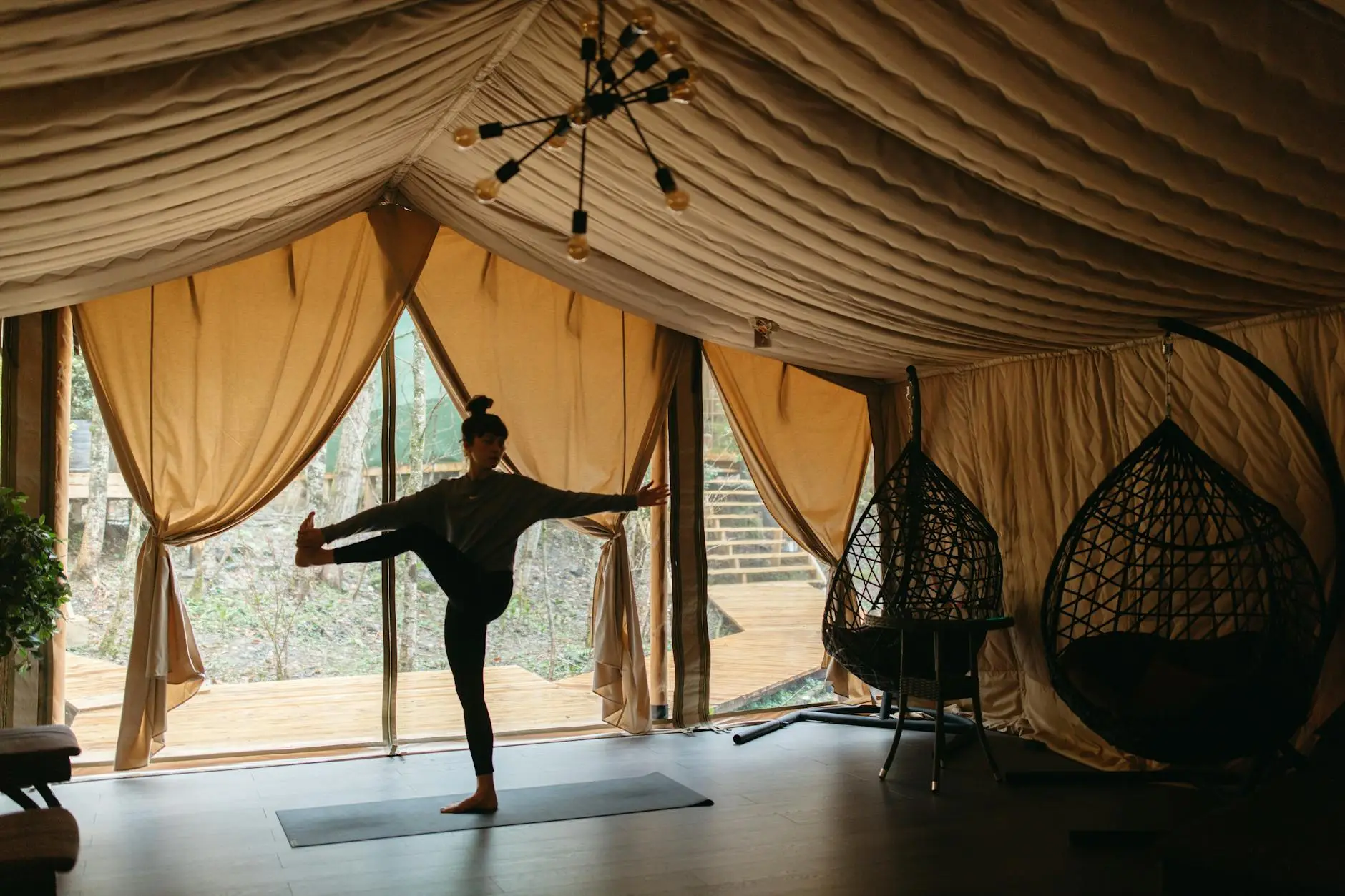
- Use office breaks for stretching or brief yoga poses: These help relieve tension and improve circulation.
- Weekend hikes in nature reserves: Bukit Timah Nature Reserve or MacRitchie Reservoir not only provide exercise but also mental restoration from city noise.
4. Prioritize Quality Sleep in a City That Never Sleeps
Sleep is foundational for longevity. Singapore’s tropical climate and urban light pollution can challenge this. I’ve integrated simple routines that help me wind down:
- Maintain a consistent sleep schedule, aiming for 7–8 hours nightly.
- Use blackout curtains and white noise apps to create a serene bedroom environment.
- Limit screen time an hour before bed, replacing it with light reading or meditation.
5. Manage Stress with Mindfulness and Social Connection
Stress accelerates aging, and Singapore’s high-performance culture can amplify it. I’ve found that adopting mindfulness practices and nurturing relationships is key.
- Mindfulness meditation: Apps like Headspace or local mindfulness workshops offer guided techniques suited to busy schedules.
- Regular social interactions: Sharing meals with family or friends in culturally rich settings like a dim sum brunch or kopi session supports emotional wellness.
- Engage in creative or spiritual hobbies: Whether it’s learning traditional Chinese calligraphy or exploring Malay batik art, these activities enrich life beyond work.
6. Leverage Technology and Data to Personalize Longevity
Singapore’s tech-forward environment allows us to harness data for health optimization. Wearables track sleep, heart rate variability, and physical activity, offering insights to adjust routines. Many clinics also provide personalized lifestyle advice based on genetic testing and biomarker analysis, empowering us to take preventive actions aligned with our unique profile.
Key Takeaways for Singapore’s Urban Longevity
- Book annual preventive screenings with trusted local healthcare providers.
- Favor balanced, plant-forward diets using fresh, seasonal produce from local markets.
- Incorporate daily movement through walking, cycling, or nature hikes despite busy schedules.
- Prioritize quality sleep with consistent routines and sleep-friendly bedroom setups.
- Manage stress through mindfulness, social connections, and cultural hobbies.
- Use technology to monitor and personalize your health journey.
Embracing these science-backed habits in Singapore’s vibrant cityscape creates a sustainable path to healthy aging. As someone who’s walked this road, I encourage you to start small but stay consistent — your future self will thank you.
Disclaimer: This content is for informational purposes only and does not constitute medical advice. Please consult healthcare professionals for personalized health assessments.
Related Resources
Explore more on Singapore and longevity with these helpful guides: