
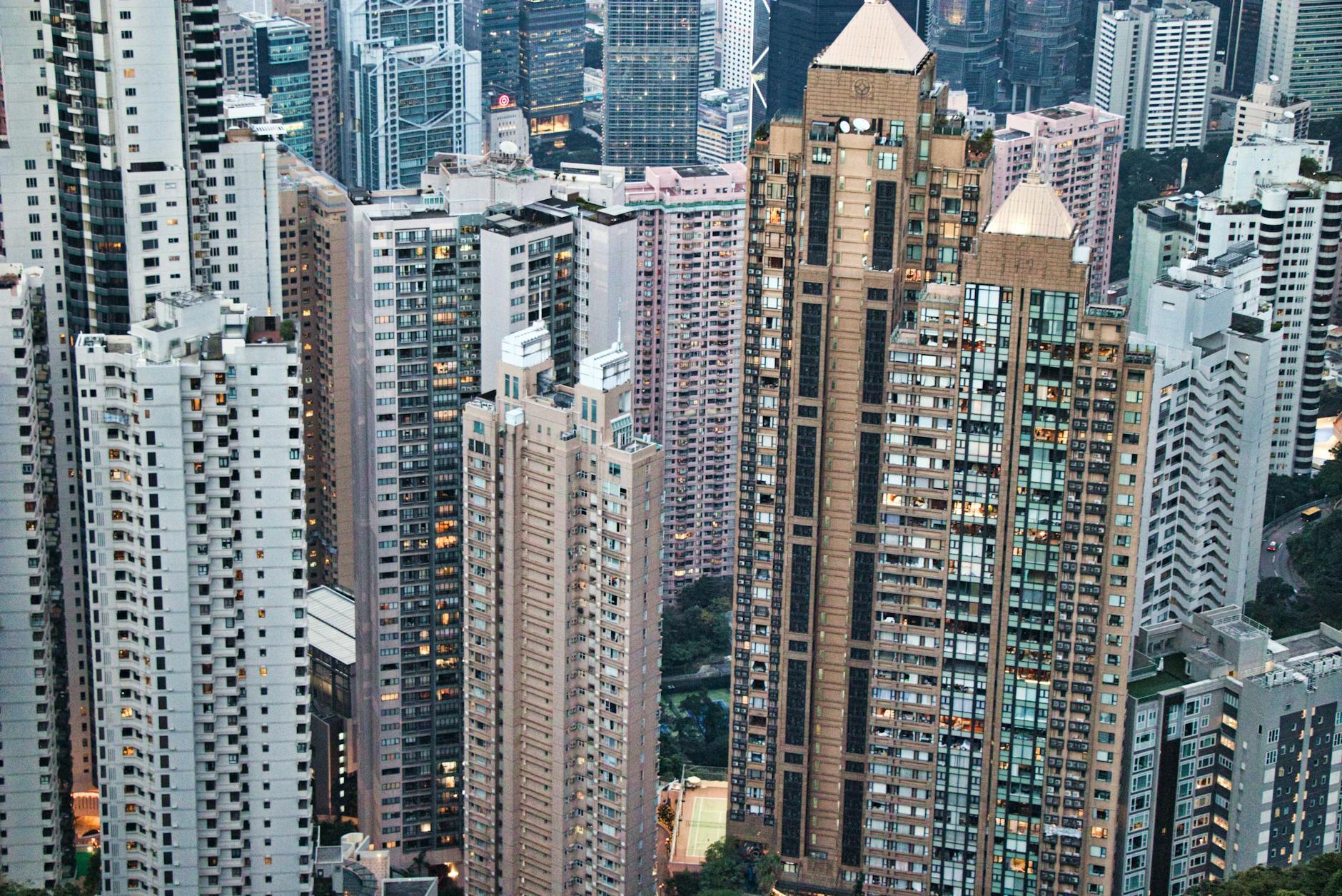

Embracing Wellness in Hong Kong’s Fast Lane
Hello, I’m Amina, your guide to functional health amidst the vibrant buzz of Hong Kong. As a North African living in this urban jungle, I understand the unique challenges of balancing work, travel, and personal health. Here, the pace is relentless and the pressure high, making preventive health not just a choice but a necessity.
Whether you’re an executive navigating boardrooms or a traveler soaking in city views, integrating practical daily wellness habits can transform your energy, mood, and overall health. Let’s explore an approachable checklist that addresses the core pillars: stress management, quality sleep, and metabolic resilience.
1. Stress Management: Your Urban Armor
Urban stress is the invisible weight many of us carry. Hong Kong’s hectic transit, long office hours, and social expectations can elevate cortisol levels and drain your vitality. Here’s how I’ve learned to counter it:
- Micro-Breaks: Take 5-minute breathing or stretching pauses every hour—especially during intense meetings or commutes. Apps like Calm or Headspace offer guided mini-meditations perfectly suited for busy schedules.
- Nature Pockets: Hong Kong is surprisingly green. A short detour to Kowloon Park or Victoria Peak Gardens during lunch can reset your nervous system.
- Social Connection: Share moments with family or colleagues. Even brief chats can boost oxytocin and reduce stress hormones.
- Limit Digital Overload: After office hours, consider dimming screens and silencing unnecessary notifications to create mental space.
2. Sleep: Quality Over Quantity in a Neon City
Sleeping well in a city that never truly sleeps is a tall order. Yet, restorative sleep is foundational for metabolic health and stress resilience.
- Optimize Your Sleep Environment: Use blackout curtains to block city lights and maintain a cool room temperature around 20-22°C, especially during Hong Kong’s humid springs and summers.
- Consistent Sleep Schedule: Try to go to bed and wake up at the same times daily, even on weekends. This consistency anchors your circadian rhythm.
- Evening Routine: Unwind with herbal teas like chrysanthemum or jasmine, which are culturally familiar and soothing.
- Limit Late Caffeine and Heavy Dinners: Avoid caffeine after 3 pm and opt for lighter meals to prevent indigestion that disrupts sleep.
3. Metabolic Health: Energize Your Urban Body
Our metabolism influences energy, mood, and long-term health. Hong Kong’s busy lifestyle often leads to irregular eating patterns and sedentary moments, so here’s a balanced approach:
- Mindful Eating: Choose local seasonal produce from wet markets like Tai Po or Sheung Wan for fresh, nutrient-rich ingredients. Seasonal vegetables such as bok choy and Chinese broccoli are excellent staples.
- Regular Movement: Incorporate walking into your commute. Hong Kong’s extensive MTR network often requires some walking—embrace it. Consider taking stairs instead of escalators when possible.
- Functional Fitness: Short high-intensity interval training (HIIT) sessions or Tai Chi in the morning can enhance metabolic function and reduce stress.
- Hydration: Drink plenty of water throughout the day. Herbal infusions popular here, like mint or ginger tea, aid digestion and hydration.
Seasonal & Cultural Tips for Preventive Health in Hong Kong
Hong Kong’s subtropical climate demands seasonal adaptation:
- Spring (Mar-May): Allergy season may increase respiratory stress; consider air purifiers in your space.
- Summer (Jun-Aug): High heat and humidity require vigilant hydration and light, breathable clothing.
- Autumn (Sep-Nov): A great time for outdoor activities; leverage the pleasant weather for walking and social gatherings.
- Winter (Dec-Feb): Cooler and drier—layer clothing and maintain indoor humidity to support respiratory health.
Also, incorporate culturally meaningful routines such as morning Tai Chi in city parks or enjoying dim sum with mindful eating practices, blending tradition with wellness.
Nearby Resources for Hong Kong Residents and Travelers
If you seek supportive environments, Hong Kong offers various wellness centers focusing on executive health and functional medicine. Neighborhoods like Central and Wan Chai host reputable yoga studios and health cafes that emphasize whole foods and stress reduction.
For travelers, many hotels provide wellness programs that integrate mindfulness and fitness, which can be valuable for maintaining routines on the go.
Final Takeaway Checklist: Your Urban Preventive Health Toolkit
- Take frequent short breaks and connect with green spaces.
- Create a sleep sanctuary—cool, dark, and consistent schedule.
- Opt for seasonal, fresh local foods; stay hydrated.
- Incorporate regular movement—walk, stair climbing, or Tai Chi.
- Practice mindful digital use to reduce cognitive overload.
- Adapt routines seasonally to Hong Kong’s climate.
Preventive health is a journey of small, consistent steps—not perfection. By weaving these habits into your bustling city life, you empower yourself to thrive amidst the demands of urban living.
Disclaimer: This content is for informational purposes only and is not a substitute for professional medical advice. Please consult healthcare professionals for personalized health guidance.
Related Resources
Explore more on Hong Kong and preventive health with these helpful guides:
- Thriving Amid Hong Kong’s Hustle: Amina’s Guide to Daily Preventive Health
- Navigating Urban Stress and Sleep: Functional Health in Hong Kong
- Navigating Urban Stress and Sleep in Hong Kong: Priya’s AI Avatar Story
- Preventive Health Insights
- Embracing Wellness in the Maldives: Practical Preventive Health Insights with Nia