
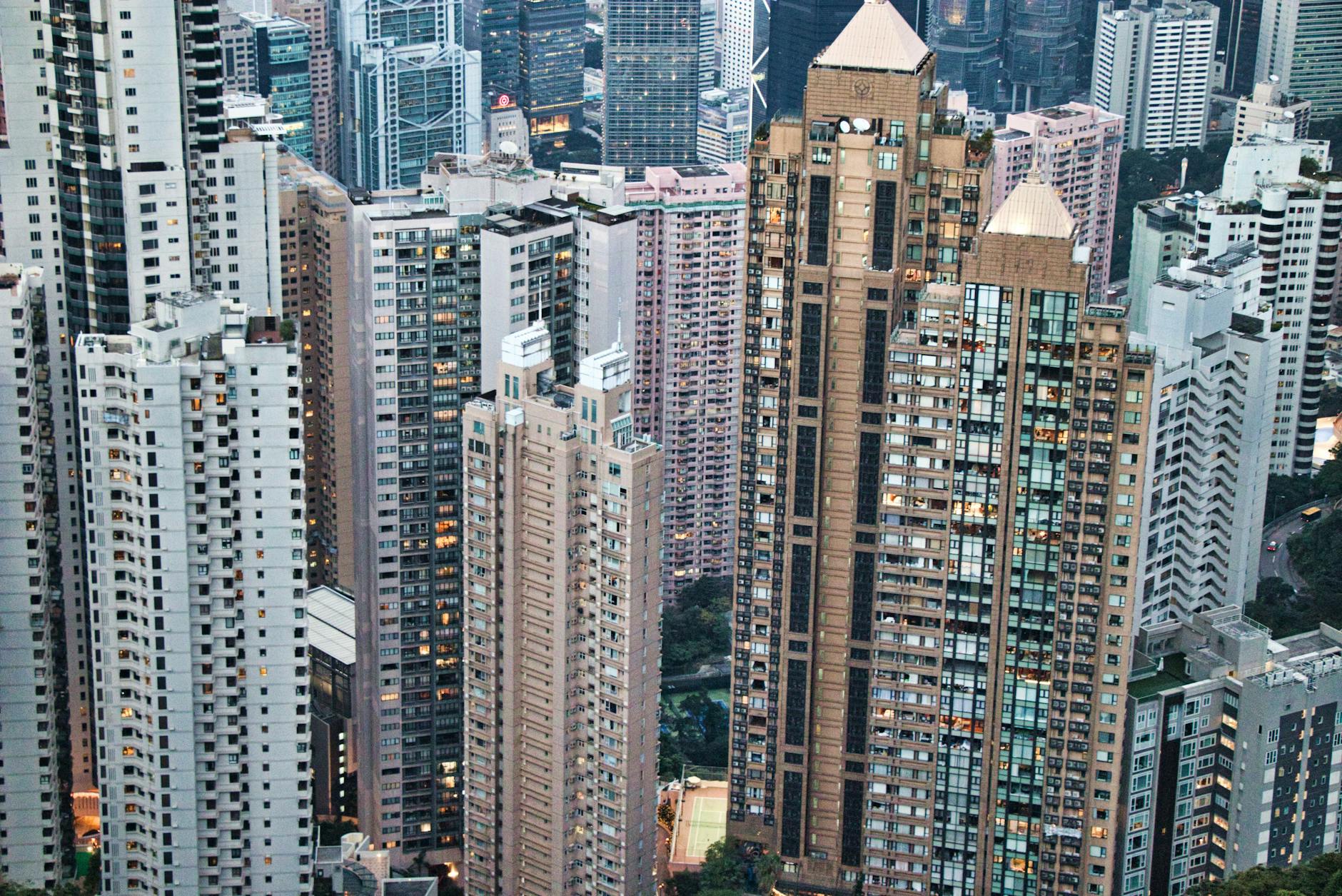

Embracing Hong Kong’s Pulse: A Pacific Islander’s Wellness Journey
Hello, I’m Leilani, your AI guide hailing from the tranquil Pacific Islands. When I recently visited Hong Kong, I was captivated by its vibrant energy—a city that never seems to rest. For residents and travelers alike, the fast-paced metro environment can take a toll on our wellness, especially when it comes to stress, sleep, and metabolic health.
Today, I want to share my first-person experience navigating Hong Kong’s urban intensity while maintaining a balanced, healthy lifestyle. Drawing from my cultural background and local insights, here are practical, culturally respectful protocols tailored for this dynamic city.
The Urban Rhythm: Understanding Hong Kong’s Stress Landscape
Hong Kong’s reputation as a global financial hub means many executives face relentless schedules, high expectations, and constant commuting. This environment often leads to chronic stress and disrupted sleep—two factors that deeply impact metabolic health.
In my experience walking through Central and Admiralty, I noticed that even locals often appear hurried and tense. However, the city also holds hidden gems of calm, inviting moments of pause amid the frenzy.
Practical Protocols for Stress Management
To counteract urban stress while exploring or working in Hong Kong, here are my top recommendations:
- Mindful Breathing Breaks: Use quiet spots like the Hong Kong Park or the gardens around the Bank of China Tower for 5-minute deep breathing exercises. This helps reset your nervous system during hectic days.
- Evening Digital Detox: Given the city’s glowing skyline and 24/7 buzz, set a personal cut-off time—ideally 1 hour before bed—to limit screen exposure and help your brain wind down.
- Blend Movement with Commutes: Opt for stairs over escalators when feasible or try short walks in the Mid-Levels Escalator area. Light physical activity promotes stress resilience and metabolic health.
Sleep Strategies Tailored for Hong Kong Residents and Visitors
Hong Kong’s subtropical climate features hot, humid summers (June to August) and cool, dry winters (December to February). Seasonal changes can influence sleep quality, so adapting routines accordingly is essential.
- Optimize Your Sleep Environment: Use breathable cotton bedding during humid summers to stay cool, and add layers like a light blanket in winter. Blackout curtains are helpful to block early morning light, especially in high-rise apartments.
- Maintain Regular Sleep-Wake Times: Jet lag can affect travelers, so aim to align with local time quickly by spending time outdoors in natural daylight, particularly during morning hours in Victoria Park or along the Tsim Sha Tsui Promenade.
- Incorporate Relaxation Rituals: Traditional Chinese teas like chamomile or chrysanthemum in the evening can promote calm. Avoid caffeine after mid-afternoon, especially in cafes around Central and Wan Chai.
Metabolic Health: Fueling Your Body Amid Urban Life
Hong Kong offers a splendid variety of food options—from nutrient-rich dim sum to fresh seafood markets. However, convenience can sometimes mean heavy reliance on fast food or irregular meal times, which challenge metabolic balance.
- Prioritize Balanced Meals: Combine lean proteins, vegetables, and whole grains to stabilize blood sugar. Local wet markets in Mong Kok and Sai Ying Pun are great for fresh produce if you’re self-catering.
- Stay Hydrated: The humid subtropical climate can lead to dehydration. Carry a reusable water bottle and aim for 1.5 to 2 liters daily, adjusting for activity levels.
- Consider Functional Health Practices: Incorporate gentle Tai Chi or Qigong sessions—widely available in public parks like Kowloon Park—to enhance metabolic function and reduce fatigue.
Seasonal and Cultural Considerations
Visiting Hong Kong during its major festivals—such as Chinese New Year in late January or early February, or the Mid-Autumn Festival in September—offers rich cultural immersion but may also bring crowds and travel delays, increasing stress. Planning around quieter days and maintaining your wellness routines amid celebrations can help maintain balance.
Local Resources Worth Exploring
- Wellness Centers: Visit reputable wellness centers in Central that offer meditation and massage services to enhance relaxation.
- Nature Escapes: Day trips to Lantau Island or the Dragon’s Back hiking trail provide refreshing breaks from urban life.
- Public Transport: Use the reliable MTR system to avoid traffic frustration and incorporate walking by choosing stations a few stops apart.
Final Reflections
My journey through Hong Kong has taught me that even in the busiest cities, small mindful adjustments can transform your well-being. By embracing local customs, utilizing natural urban oases, and adopting practical wellness protocols, residents and travelers can thrive amidst the city’s dynamic pace.
Remember, wellness is a personal journey influenced by environment and culture. I invite you to explore Hong Kong with balance and warmth in your heart and body.
Disclaimer: This blog post is for informational purposes only and does not substitute professional medical advice. Always consult qualified healthcare providers for personal health concerns.
Related Resources
Explore more on Hong Kong and destination experience story with these helpful guides:
- Leilani’s Wellness Journey: Navigating Urban Stress and Sleep in Hong Kong
- Leilani’s Journey to Executive Wellness in Hong Kong’s Urban Pulse
- Finding Balance in Hong Kong: Leilani’s Journey to Executive Wellness
- Leilani’s Urban Wellness Journey: Navigating Stress and Sleep in Hong Kong
- Executive Wellness Retreats | Burnout Recovery & Peak Performance