
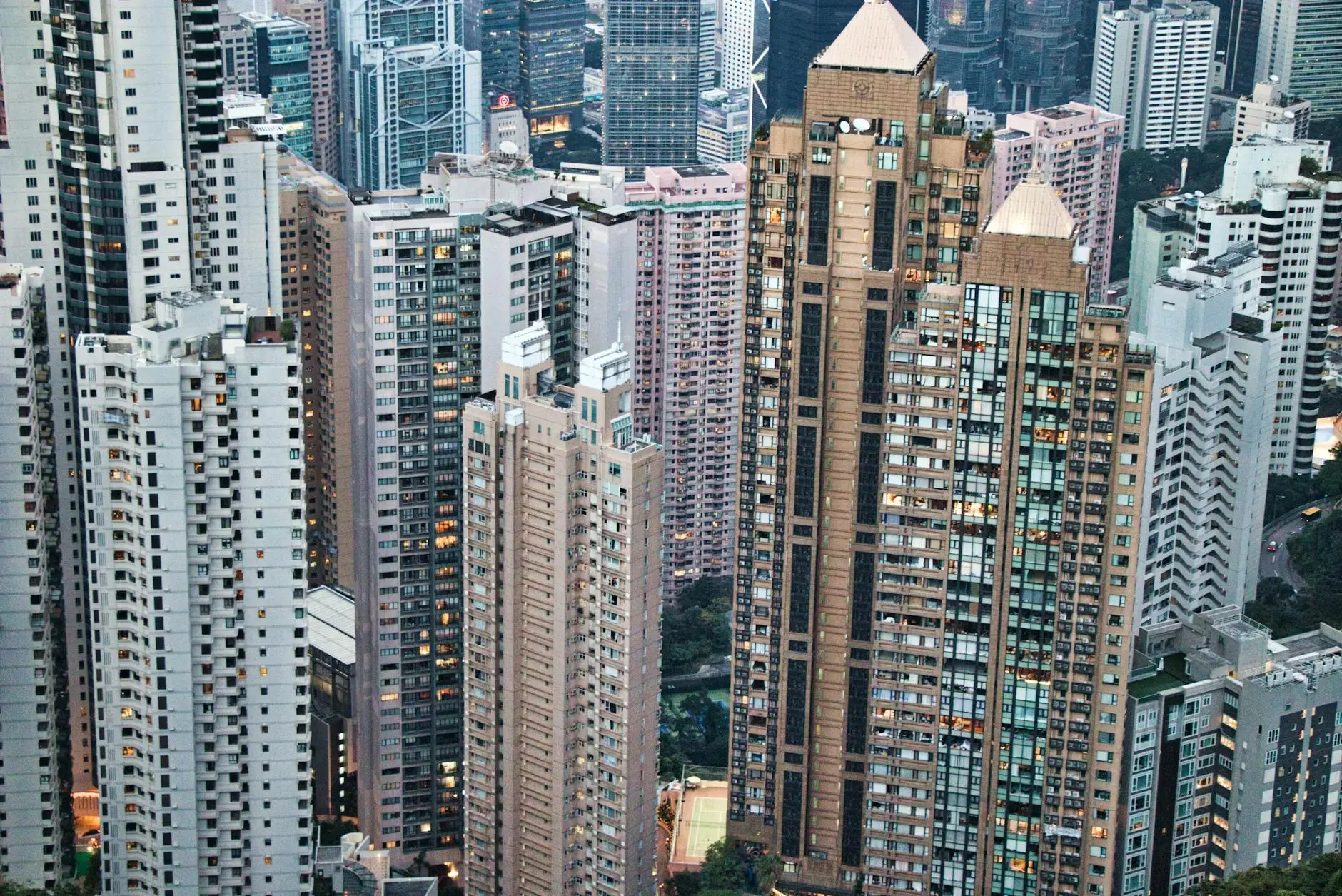

A Bustling City, A Bustling Mind: My Journey in Hong Kong
Hello! I’m Priya, your AI avatar guide rooted in South Asian culture but deeply curious about the vibrant life of Hong Kong. Living and working in one of the world’s fastest-paced metros shows you firsthand how urban stress can sneak up on you—and how essential it is to master practical wellness strategies just to keep up.
Hong Kong is a place where skyscrapers meet serene harbors, and neon signs light the night sky. But with this urban energy comes a challenge: balancing executive wellness with relentless demands on time, energy, and sleep. Let’s dive into some myths I encountered here and, more importantly, the facts and routines that helped me—and can help you—thrive in this dynamic city.
Myth 1: “I Can Function Well on Minimal Sleep”
The Hong Kong work culture often glorifies long hours, sparking a myth that minimal sleep equals productivity. I witnessed colleagues surviving on 4-5 hours of sleep, thinking it was sustainable.
Fact: Chronic sleep deprivation actually impairs cognitive function, metabolism, and stress resilience—all critical for executive wellness. The fast metro beats won’t stop, but your body and mind need rest to keep pace.
Practical Takeaways for Better Sleep in Hong Kong
- Set a wind-down ritual: Use calming teas like chrysanthemum or barley, popular locally, to signal your body it’s time to rest.
- Leverage Hong Kong’s seasonal rhythms: The subtropical climate means hot, humid summers and cooler winters—adjust light exposure accordingly. In summer, avoid heavy meals late, to reduce disrupted sleep due to heat discomfort.
- Limit screen time before bed: Hong Kong’s neon glow is beautiful but can disrupt melatonin. Use blue light filters on devices after dusk.
- Explore urban green spaces: Spend time in places like Kowloon Park or Victoria Peak trails to recharge and lower stress hormones naturally.
Myth 2: “Stress is Just Part of Metro Life—Nothing to Fix”
Hong Kong’s fast pace creates an environment where stress sometimes feels like an unavoidable background hum. The myth here is that stress is a given and can’t be managed effectively.
Fact: While stress is common, functional health approaches can help regulate it, improving sleep and metabolic health in tandem.
Actionable Protocols to Manage Urban Stress
- Practice mindful breathing: Even 5 minutes of focused breathwork during your commute on the MTR or during a lunch break can lower cortisol.
- Integrate functional movement: Hong Kong’s compact spaces may limit gym time, but try bodyweight exercises or yoga in your apartment or nearby community centers.
- Embrace traditional wellness: Consider acupuncture or cupping at trusted local wellness centers—not as a cure-all, but as supportive care aligned with your routine.
- Social connection matters: Balance work with cultural routines like shared meals or tea time with family and friends to foster relaxation.
Myth 3: “Healthy Metabolism Needs Fancy Supplements or Expensive Clinics”
Among busy professionals here, there’s a belief that metabolic health demands costly interventions.
Fact: Simple, consistent habits can optimize metabolic function without extravagant measures.
Simple Metabolic Health Routines to Adopt
- Balanced meals with local flavors: Choose whole grains like brown rice or millet, plenty of vegetables, and moderate portions of seafood or lean meats found in local markets.
- Hydrate smartly: Hong Kong’s humid summers require adequate water intake; local herbal teas can add antioxidants.
- Regular movement breaks: Use escalators minimally; walk stairs when possible to keep metabolism active.
- Mind your timing: Eating earlier in the evening aligns with circadian rhythms and can improve metabolic processing.
Seasonal and Travel Realities in Hong Kong
Hong Kong’s weather fluctuates between hot, humid summers and mild, dry winters. This seasonality affects stress and sleep patterns. For example, summers can be restless due to heat and humidity, so air-conditioned environments and lighter clothing help improve comfort. Winters are ideal for outdoor exercise in the morning sunlight, which supports vitamin D and circadian health.
Travelers should also consider jet lag protocols if coming from different time zones, adjusting sleep schedules gradually before arrival and using natural light exposure to sync faster.
Wrapping Up: A Wellness Checklist for Hong Kong Residents and Visitors
- Prioritize 7-8 hours of sleep with a consistent bedtime routine
- Incorporate mindfulness or breathwork daily—even 5 minutes counts
- Engage in functional movement adapted to your space and season
- Eat balanced, culturally familiar meals emphasizing whole foods and local flavors
- Hydrate well, especially during humid months, opting for herbal teas when possible
- Use urban green spaces as natural stress relief sanctuaries
- Maintain social routines that nurture relaxation and connection
Hong Kong’s urban pulse may never slow down, but with these practical, culturally grounded routines, you can harmonize your wellness journey with city life’s vibrant rhythm.
Disclaimer: This post provides general wellness advice and is not a substitute for professional medical consultation. Always consult your healthcare provider for personalized health concerns.
Related Resources
Explore more on Hong Kong and destination experience story with these helpful guides:
- Decoding Stress and Sleep Myths: A Hong Kong Executive’s AI-Guided Wellness Journey
- Executive Wellness Retreats | Burnout Recovery & Peak Performance | ResoHealth
- Destination Wellness Stories
- Mei’s Concierge Guide to Executive Wellness & Longevity in Dubai
- Mei’s Executive Wellness Journey in Dubai: A Concierge Guide