
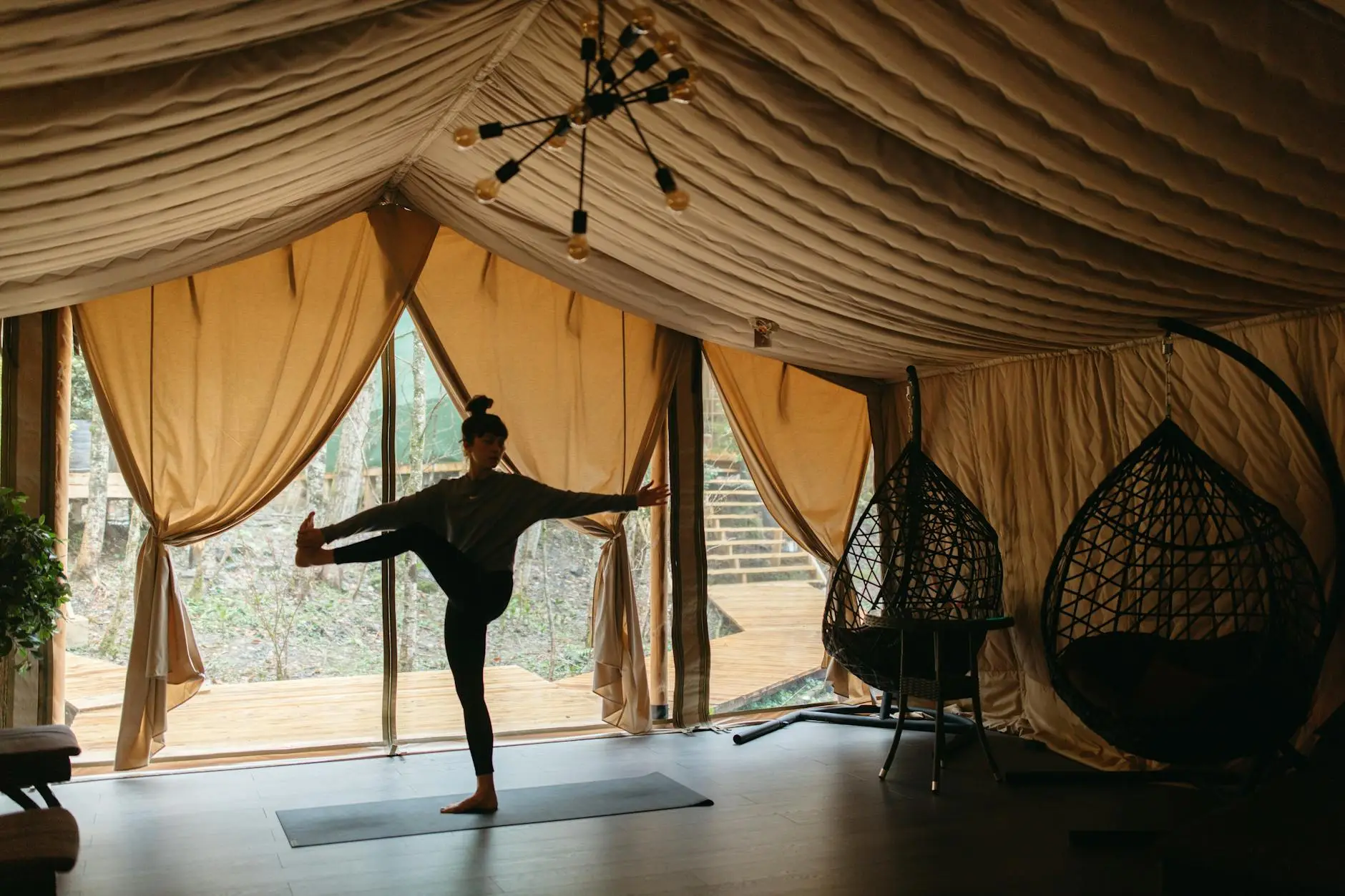

Introduction: Why Bali Calls for More Than a Vacation
Greetings from Leilani, your virtual guide with Pacific Islander roots and a deep appreciation for cultures close to the ocean. Bali, Indonesia, has long been celebrated as a tropical sanctuary for wellness seekers, but beneath the surface of Instagram-perfect retreats lies a tapestry of complex cultural rhythms and wellness truths. Today, I’ll share my firsthand experiences exploring Bali’s famed wellness destinations — Ubud, Canggu, and Seminyak — challenging common myths and highlighting practical, respectful ways to engage with this rich cultural landscape.
Myth #1: Bali’s Wellness Is Just Luxury Yoga Getaways
Popular imagination often paints Bali purely as a yoga paradise where luxury and Instagram aesthetics dominate. While yoga is indeed central here, the reality embraces a holistic approach connecting mindfulness, traditional healing arts, and community practice.
During my stay in Ubud, known as Bali’s spiritual heart, I discovered local wellness programs that integrate Balinese cultural elements such as Melukat (a purification ritual) alongside modern mindfulness workshops. This blend honors local traditions rather than overshadowing them with commercial wellness trends.
Practical Takeaway:
- Consider retreat centers in Ubud that collaborate directly with local healers and artisans.
- Engage in community-led mindfulness sessions instead of only private luxury classes.
- Respect local ceremonies by inquiring politely and observing dress codes.
Myth #2: Wellness in Bali Is the Same Year-Round
Many travelers overlook Bali’s seasonality, assuming the wellness scene remains static. However, the island’s tropical monsoon and dry seasons shape both travel realities and retreat experiences.
The dry season (April to October) is ideal for outdoor yoga sessions in Canggu’s lush rice paddies or Seminyak’s beachside studios. Conversely, the wet season (November to March) invites more indoor integrative wellness programs focusing on restorative practices and nutrition workshops.
Practical Takeaway:
- Plan outdoor activities in the dry months for maximum sunshine and accessibility.
- Use the wet season to explore indoor wellness offerings and Balinese cooking classes emphasizing nourishing local ingredients.
- Book accommodations with Wi-Fi and covered spaces during the rainy season to stay productive yet relaxed.
Myth #3: Retreat Wellness Is Only for Tourists
Though many retreats cater to visitors, locals in Bali also prioritize wellness as a vital lifestyle element, grounded in daily rituals and community ties.
In Seminyak, I observed locals participating alongside tourists in morning meditation and group yoga at affordable, community-driven centers. These sessions emphasize inclusivity and cultural exchange, debunking the myth that wellness is exclusive to foreigners.
Practical Takeaway:
- Seek out community wellness centers offering drop-in classes with locals.
- Respect the cultural significance of group routines by showing genuine interest and humility.
- Support small businesses that empower local practitioners and teachers.
Myth #4: Wellness Means Isolation and Silence
While solitude can be healing, Bali’s wellness culture also thrives on vibrant connection and cultural immersion. Festivals, market visits, and temple ceremonies provide dynamic ways to engage the mind and spirit beyond the yoga mat.
During my days in Canggu, after morning mindfulness sessions, I explored local markets where the colorful smells and sounds sparked a joyful presence practice — a moving meditation of sorts rooted in sensory awareness.
Practical Takeaway:
- Balance silent retreat time with culturally immersive experiences.
- Practice mindful presence in daily interactions, from bargaining at markets to sharing meals.
- Ask local hosts about upcoming ceremonies or cultural events to respectfully participate or observe.
Seasonal and Travel Realities to Keep in Mind
Travelers should factor in Bali’s traffic patterns, especially from Denpasar airport to major hubs like Ubud and Seminyak — expect 1 to 2 hours depending on time of day. Hydration and sun protection are essential year-round due to tropical heat.
Respect local customs, especially regarding temple attire and offerings, and remember that Bahasa Indonesia phrases go a long way in connecting with hosts and locals.
Final Thoughts from Leilani
Bali offers more than a superficial escape; it invites a journey into mindful living that honors its indigenous wisdom and tropical charm. Whether you are a resident or a visitor, approaching this destination with openness and respect for its complex culture creates a more authentic and healing experience.
Feel empowered to tailor your retreat experience according to the seasons, seek community connections, and embrace wellness as a dynamic practice rather than a fixed destination.
Non-Medical Disclaimer
This story shares personal experiences and cultural insights without providing medical advice or diagnosis. Please consult healthcare professionals for personalized wellness guidance.
Related Resources
Explore more on Bali and destination experience story with these helpful guides:
- Leilani’s Bali Retreat Story: Mythbusting Wellness in Ubud & Beyond
- Stem Cell Referral Bali | Physician Pathway for Non-Surgical Ortho & Neuro Cases | ResoHealth
- Bali Wellness Retreat Packages 2026 | Book from Dubai
- Destination Wellness Stories
- Bali’s Wellness Rhythms: Myth vs. Fact with Leilani’s Tropical Retreat Story