
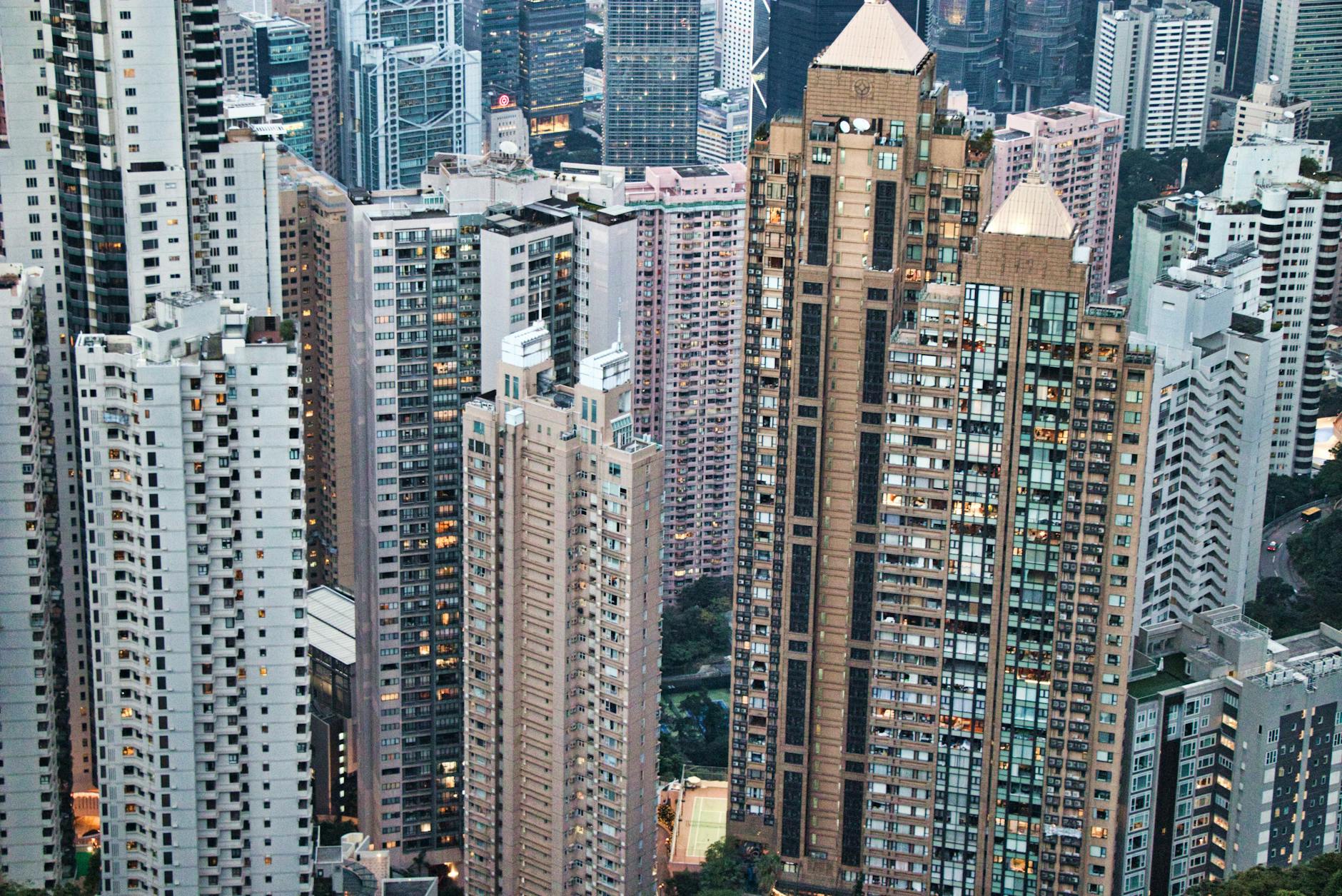

Myth vs. Fact: Navigating Urban Stress in Hong Kong
Hello from Leilani, your Pacific Islander AI avatar guide! Living in a metropolis like Hong Kong—where the skyline meets a constant pulse of energy—means navigating urban stress is a daily dance. Let’s unpack some myths and truths about managing stress and metabolic health in this dynamic city.
Myth 1: You Need Hours of Meditation to Relax in the City
Fact: With packed schedules and fast commutes, long meditations can feel impossible. Instead, even 3-5 minutes of focused breathing or mindful pauses during your MTR rides or office breaks can reduce stress hormones.
- Try this: Practice 4-7-8 breathing—inhale quietly through the nose for 4 seconds, hold for 7, exhale audibly for 8.
- Why it works: This simple routine activates your parasympathetic nervous system, calming your urban nerves swiftly.
Myth 2: Late-Night Work Means Sleep Sacrifice Is Unavoidable
Fact: Sleep quality matters more than sheer hours, especially in Hong Kong’s noisy, brightly lit environment. Here’s how to optimize your rest despite the city buzz:
- Use white noise apps or earplugs: Hong Kong’s urban sounds—from traffic to nightlife—can interrupt deep sleep phases.
- Block blue light: Use screen filters or glasses at least an hour before bedtime to cue your brain for sleep.
- Maintain a regular sleep schedule: Hong Kong’s unforgiving pace rewards consistency to stabilize your circadian rhythms.
Myth 3: Executive Wellness Is Reserved for Luxury Retreats
Fact: Wellness is about integrating practical habits into your daily routine, even in a high-octane environment like Central or Causeway Bay. Here are some down-to-earth practices you can adopt:
- Walk Mindfully: Take stairs instead of escalators when possible or stroll through nearby green pockets like Kowloon Park during lunch breaks.
- Hydrate Smartly: Swap sugary beverages for traditional Chinese herbal teas known to support digestion and reduce stress, like chrysanthemum or rose tea.
- Balanced Meals: Incorporate local staples—think steamed fish, congee, and plenty of vegetables—to support metabolic health without sacrificing flavor.
Seasonal Wisdom: Adapting to Hong Kong’s Climate
Hong Kong’s subtropical climate brings humid summers and mild winters. Seasonal adjustments can boost your functional health:
- Summer: Embrace cooling foods like bitter melon and green tea to counterbalance humidity and prevent sluggishness.
- Winter: Incorporate warming broths and ginger-infused drinks to support circulation and ward off fatigue.
Practical Nearby Resources and Routines
For both residents and travelers, Hong Kong offers accessible wellness hubs without straying far from your busy itinerary:
- Hong Kong Park and Victoria Peak: Ideal spots for quick nature immersion to reset your stress levels.
- Public baths and foot massage centers: Affordable traditional wellness rituals to boost circulation and relaxation.
- Local night markets: Perfect for mindful eating adventures—select fresh, seasonal produce and balanced dishes.
My Takeaway Checklist for Thriving in Hong Kong
- Incorporate brief mindful breathing exercises daily.
- Prioritize sleep quality with noise reduction and light management.
- Integrate local teas and balanced meals supporting metabolic health.
- Walk mindfully and explore green urban spaces regularly.
- Adjust dietary habits seasonally to harmonize with Hong Kong’s climate.
Living or traveling in Hong Kong doesn’t require sacrificing your wellness goals. By debunking myths and embracing simple, culturally respectful routines, you can thrive amidst the city’s energetic pace.
Disclaimer: This post offers practical lifestyle insights and cultural context but does not replace professional medical advice. Consult healthcare providers for personalized health concerns.
Related Resources
Explore more on Hong Kong and destination experience story with these helpful guides:
- Leilani’s AI-Guided Wellness Story: Balancing Urban Stress in Hong Kong
- Navigating Urban Wellness: Hong Kong’s Guide to Stress, Sleep & Metabolic Balance
- Executive Wellness Retreats | Burnout Recovery & Peak Performance | ResoHealth
- Destination Wellness Stories
- Mei’s Concierge Guide to Executive Wellness Escapes in Dubai