
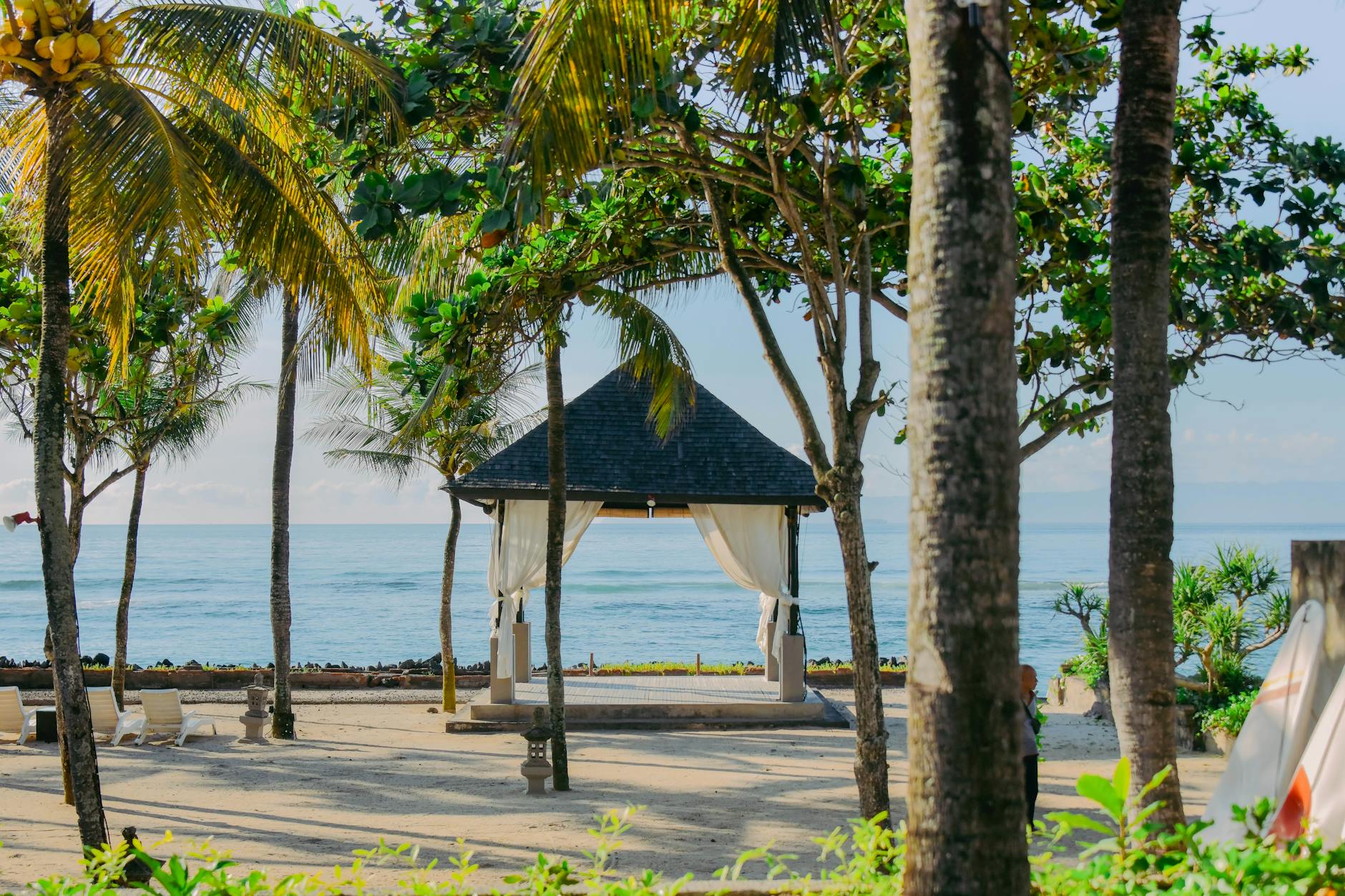

Embracing Longevity in Bali: A Personal Journey
As someone who has wandered from the chilly landscapes of Eastern Europe to the lush tropics of Bali, I’ve discovered that aging gracefully is as much about mindset as it is about daily habits. Over the past year living between Ubud’s serene rice terraces, Canggu’s vibrant surf culture, and Seminyak’s trendy retreats, I’ve woven science-backed principles of longevity into the fabric of Bali’s integrative wellness scene. Here’s what I’ve found—and how you can adapt these habits whether you’re a resident or visitor.
1. Nourish with Local, Seasonal Tropical Foods
Bali’s tropical climate gifts us an abundance of fresh fruits and vegetables year-round, but to truly sync with the environment, tuning into local seasonality is key. In Ubud’s traditional markets, I savor mangosteen, papaya, and jackfruit when they’re at their peak, accompanied by leafy greens like kangkung (water spinach) and fresh turmeric—both rich in antioxidants.
Takeaway:
- Incorporate local tropical superfoods like tempeh (fermented soy), turmeric, and coconut products, known for their anti-inflammatory properties.
- Explore Bali’s traditional Balinese plant-based dishes at warungs—simple, nutritious, and aligned with longevity principles.
2. Movement Rooted in Mindfulness and Nature
Physical activity is vital for healthy aging, but in Bali, movement takes on a deeper meaning. From morning yoga sessions overlooking Ubud’s misty rice fields to beach runs along Canggu’s shoreline, the key is integrating mindful movement that nourishes both body and soul.
I often join sunrise yoga classes at Seminyak’s wellness retreats, which combine breathwork with gentle stretching—a practice that science shows supports cellular health and stress reduction. For days when I prefer a slower pace, temple walks amid Bali’s tropical greenery provide grounding and connection.
Takeaway:
- Try daily, low-impact activities like yoga, tai chi, or mindful walking amidst Bali’s natural beauty.
- Balance energizing movement with restorative practices to support joint health and mental clarity.
3. Prioritize Rest and Stress Management through Local Rituals
Longevity science repeatedly underscores the dangers of chronic stress and poor sleep. Bali’s wellness culture embraces this through traditional practices and tranquil environments ideal for deep rest.
Participating in a Balinese purification ritual or simply enjoying a soothing coconut oil massage at a local spa in Seminyak helps reset the nervous system. Additionally, many retreats offer guided mindfulness and meditation sessions that align with scientific findings on stress reduction and enhanced sleep quality.
Takeaway:
- Incorporate nightly wind-down routines such as meditation or gentle stretching.
- Experience local relaxation therapies like Balinese massage to support mental and physical rejuvenation.
4. Cultivate Social Connections in Retreat and Community Spaces
Longevity is not only about what happens inside our bodies but also about meaningful relationships. Bali’s retreat hubs foster community gatherings, workshops, and shared meals—perfect opportunities to build friendships and share wellness journeys.
I recommend joining local wellness events or yoga classes in Ubud or Canggu to meet like-minded individuals. Engaging socially has been shown to bolster emotional resilience, a key factor in healthy aging.
Takeaway:
- Seek out communal activities in Bali’s retreats to nourish social bonds.
- Engage respectfully with local customs and communities for enriching cultural exchange.
5. Nurture Your Skin with Bali’s Sun and Natural Ingredients
Living in a tropical climate requires a balanced approach to sun exposure—vitamin D is essential for longevity, but so is protecting your skin. I favor natural sun protection methods: wearing wide-brimmed hats, lightweight long sleeves during peak sun hours, and using mineral-based sunscreens.
Balinese markets offer natural skincare ingredients like aloe vera, coconut oil, and turmeric, which can soothe and nourish skin exposed to tropical conditions.
Takeaway:
- Enjoy morning and late afternoon sun for vitamin D while avoiding midday intensity.
- Use natural topical products sourced locally to keep skin healthy and hydrated.
Travel Realities and Seasonal Tips
Bali’s tropical climate features two main seasons: the dry season (April to October) and the rainy season (November to March). The dry season offers ideal conditions for outdoor wellness activities and travel, while the rainy season invites more indoor mindfulness practices and retreats.
Travelers should plan for occasional humidity and sudden showers during the rainy months and consider retreat stays that emphasize indoor wellness programming during this time.
Practical checklist for Bali longevity seekers:
- Hydrate consistently with fresh coconuts or herbal teas available at local markets.
- Adjust activity intensity based on heat and humidity levels.
- Respect local customs, particularly temple etiquette, when exploring cultural sites.
- Schedule wellness treatments and yoga classes in advance, especially in popular spots like Ubud and Seminyak.
- Carry reusable water bottles and eco-friendly products to support Bali’s environmental health.
Final Thoughts
Blending science-backed longevity habits with Bali’s rich wellness traditions creates a uniquely nurturing environment for healthy aging. Whether you’re living here or visiting, adopting these practical habits within Bali’s tropical retreats can enhance vitality for years to come.
Remember, longevity thrives on consistency, joy in daily rituals, and a deep respect for the environment and community around us. Bali’s vibrant wellness offerings make it an inspiring place to cultivate these lifelong habits.
Disclaimer: This post offers lifestyle suggestions based on scientific principles and local wellness practices. It is not a substitute for professional medical advice or diagnosis. Please consult qualified health practitioners for personalized recommendations.
Related Resources
Explore more on Bali and longevity with these helpful guides: