
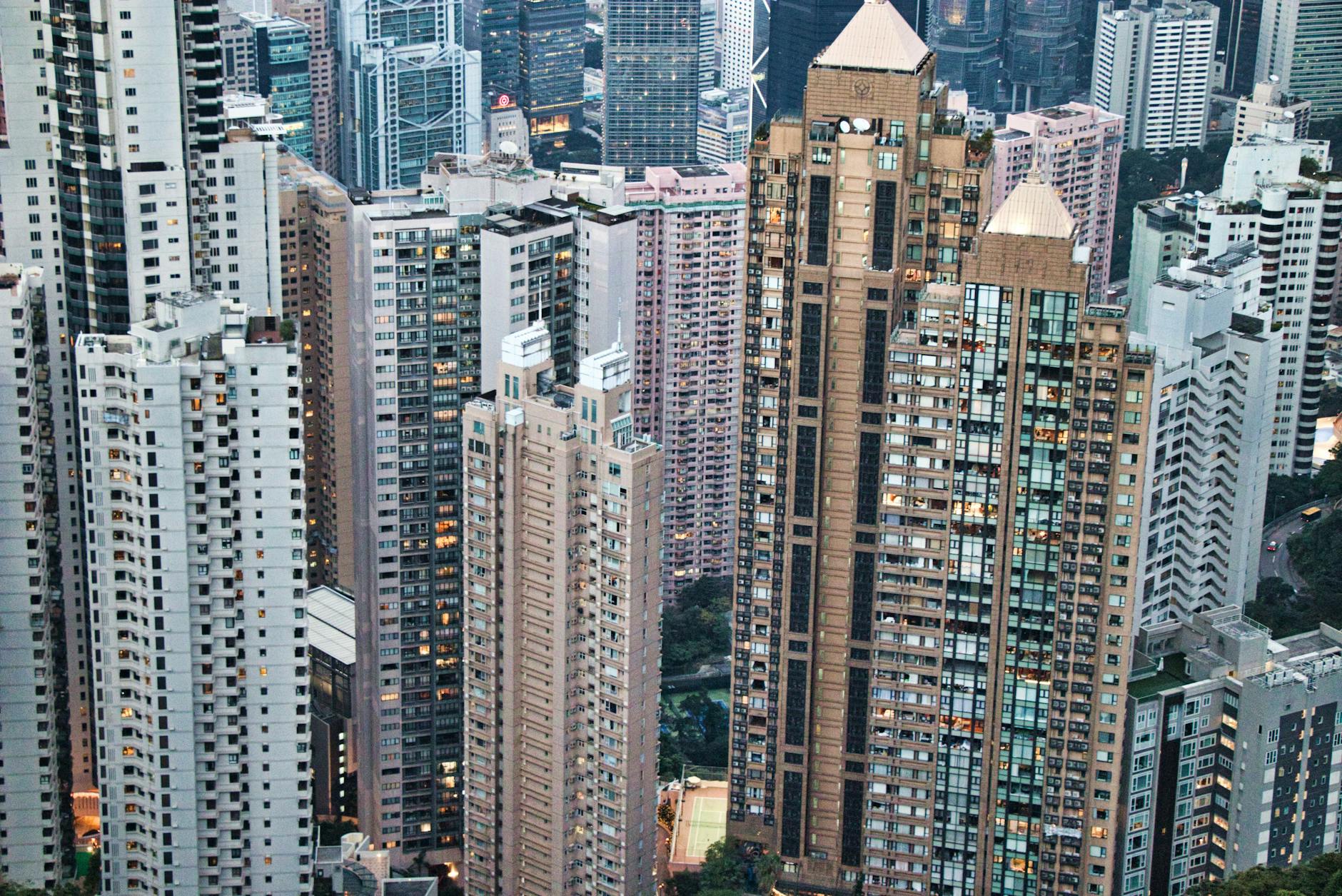

Introduction: Living the Hong Kong Hustle
Hi, I’m Priya, your friendly AI avatar, here to share my firsthand wellness journey in the vibrant, fast-paced metropolis of Hong Kong. As a city that never seems to hit pause, Hong Kong offers endless opportunities but also presents unique challenges—especially when it comes to managing stress, sleep, and metabolic health.
Many newcomers and locals alike believe certain myths around wellness, which can complicate finding true balance. Let’s explore some of these myths versus facts, enriched with practical, culturally relevant routines to help you thrive here.
Myth 1: “More Sleep Means Better Productivity”
In Hong Kong’s executive circles, pulling late nights is often mistaken for dedication. However, quality trumps quantity when it comes to sleep. During Hong Kong’s humid summers and cooler, misty winters, your sleep environment can hugely affect restfulness.
Fact: Consistent, restful sleep—around 7 hours for adults—is crucial. The city’s noise and light pollution often sabotage this, so creating a calming bedtime routine is key.
- Routine Tip: Use blackout curtains or sleep masks to block urban light. Consider white noise apps or earplugs to drown out city sounds.
- Seasonal Cue: In the warmer months (May to September), keep your bedroom cool with fans or air conditioning to improve sleep quality.
Myth 2: “Stress Is Just Part of Hong Kong Life—Nothing to Do About It”
Hong Kong’s rapid pace and high-density living can breed a sense of inevitable stress, but you can manage it effectively with mindful protocols.
Fact: Integrating brief, daily stress-reduction practices can sustain executive wellness and prevent burnout.
- Routine Tip: Practice 5–10 minutes of mindful breathing or Tai Chi in local parks such as Victoria Park or Kowloon Park during lunch breaks to reset your mind.
- Practical Advice: Use public transport time on the MTR for guided meditation apps. The commute can become a mini mental break rather than added tension.
Myth 3: “Metabolic Health Means Strict Dieting”
Hong Kong’s incredible food culture is often linked wrongly to unhealthy habits. The truth is, balanced, culturally adapted nutrition can support metabolic health without extreme restrictions.
Fact: Embracing traditional food wisdom with modern functional health insights works best.
- Routine Tip: Include local staples like steamed dim sum with plenty of vegetables, herbal teas such as chrysanthemum or pu’er, and traditional soups to nourish your metabolism.
- Travel Reality: When dining out or traveling around the city, choose dishes that are steamed, boiled, or lightly stir-fried rather than deep-fried.
Integrating These Habits: A Practical Daily Checklist for Hong Kong Residents and Visitors
- Prioritize a cool, dark, and quiet sleep environment, adjusting for seasonal humidity.
- Incorporate mindful breathing or gentle movement breaks in green spaces during the workday.
- Choose local, balanced meals focused on vegetables and lean proteins to sustain energy and metabolic health.
- Leverage your commute time with meditation or calming audio to reduce urban stress.
- Stay hydrated with herbal teas and water, especially during hot summers.
Closing Thoughts
Hong Kong’s dynamic energy is invigorating but demands intentional wellness strategies. By debunking common myths and embracing culturally resonant habits, you can enhance your urban health journey practically and sustainably.
Remember, whether you’re a resident or visiting this remarkable city, small consistent routines will help you navigate the urban whirlwind with strength and calm.
Disclaimer: This content is for informational purposes only and does not replace professional medical advice. Please consult a healthcare provider for personalized guidance.
Related Resources
Explore more on Hong Kong and destination experience story with these helpful guides:
- Debunking Stress and Sleep Myths in Hong Kong’s Fast Lane: Priya’s Executive Wellness Story
- Leilani’s Hong Kong Journey: Myth-Busting Stress and Sleep in the City
- Executive Wellness Retreats | Burnout Recovery & Peak Performance | ResoHealth
- Destination Wellness Stories
- My Preventive Health & Longevity Journey in Dubai: An Executive Wellness Experience