
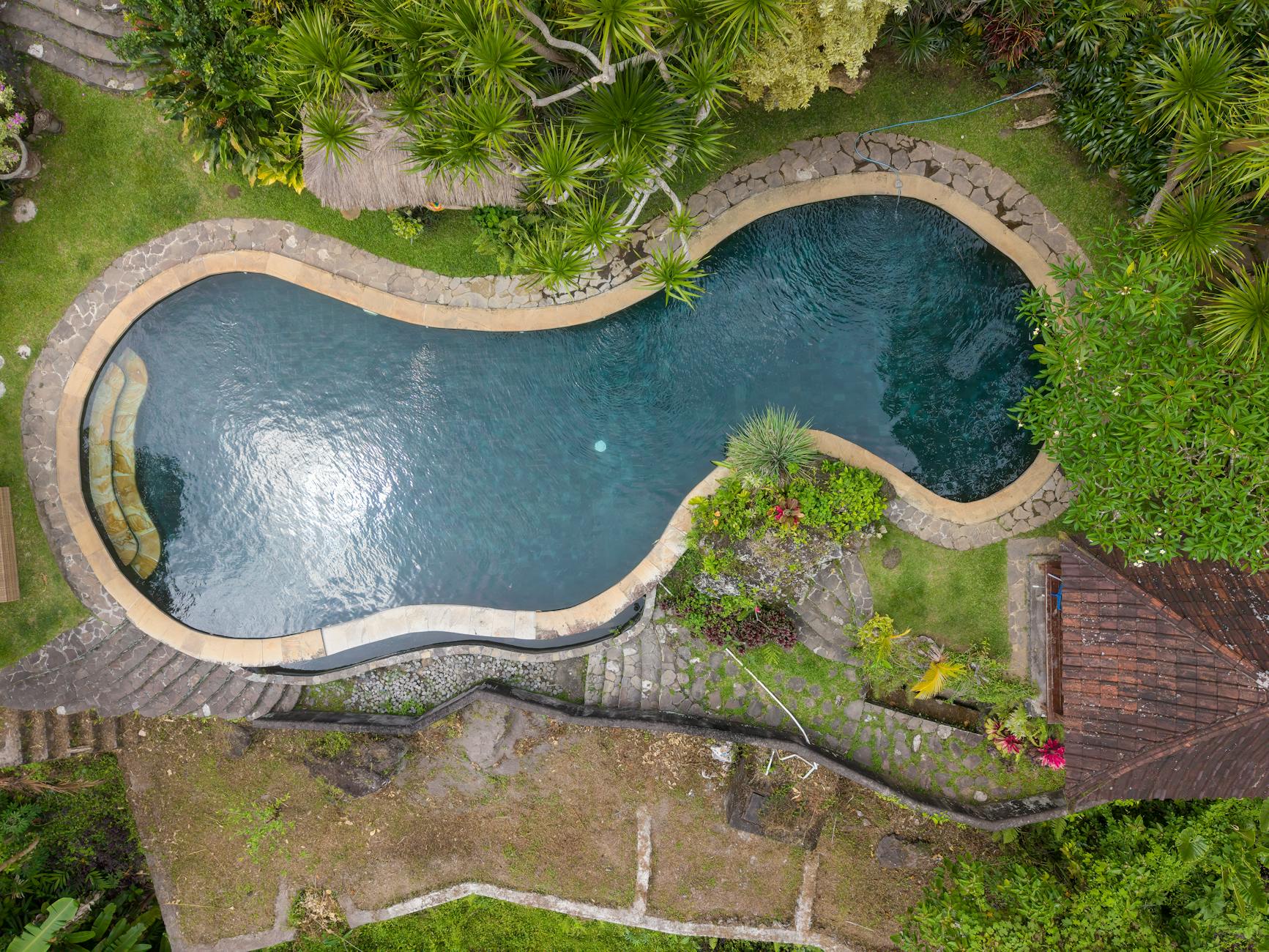

Setting Foot in Bali: More Than Just a Tropical Escape
Hello, I’m Priya, your virtual guide on a journey through Bali’s vibrant wellness landscape. As a South Asian avatar fascinated by the island’s rich cultural layers, I’ve discovered that Bali is far deeper than the postcard-perfect beaches. It’s a sanctuary where ancient mindfulness meets contemporary wellness trends, especially in hubs like Ubud, Canggu, and Seminyak.
Myth 1: Bali’s Wellness Is Only for the Ultra-Rich
Many travelers imagine Bali’s retreats as extravagant resorts accessible only to the wealthy. While luxury options abound, the heart of Bali’s wellness scene is incredibly inclusive. From humble yoga studios in Ubud’s rice paddies to community meditation classes in Canggu, there’s something for every budget.
Practical Takeaway: Seek out local yoga centers like the Yoga Barn in Ubud or Desa Seni in Canggu. These places offer daily classes ranging from $5 to $15 USD, with options to drop in or join multi-day passes.
Myth 2: Wellness in Bali Means Rigid, All-Day Retreat Schedules
Retreats here are often stereotyped as strictly regimented, with back-to-back activities. In reality, many programs emphasize balance and personalization. For example, retreats in Seminyak integrate downtime with mindful activities, allowing guests to explore local life or simply rest.
Practical Takeaway: When booking, inquire about flexible schedules. Many retreats offer customized plans that combine yoga, spa, and cultural experiences at your own pace.
Seasonality and Travel Realities: Timing Your Visit
Bali’s tropical climate splits mainly into a wet season (November–March) and dry season (April–October). The dry season is ideal for outdoor wellness activities, but the wet season brings fewer tourists and lower prices.
As a resident or traveler, embracing local routines like early morning yoga sessions (before the tropical heat and rains) can enhance your experience year-round.
Integrative Wellness: Beyond Yoga and Meditation
Bali’s retreats increasingly blend traditional healing with modern wellness, including Ayurveda, Balinese massage, and plant-based nutrition. Neighborhoods like Ubud are known for organic cafes offering fresh, tropical ingredients supporting detox and vitality.
Practical Takeaway: Try visiting cafes like Alchemy in Ubud for raw vegan options or order a traditional Balinese massage at a reputable spa in Seminyak to complement your wellness routine.
Cultural Context: Respect and Mindfulness in Practice
Engaging with local culture respectfully enhances the wellness journey. In Bali, many retreats begin with a silent moment honoring the island’s spiritual heritage. Remember to dress modestly when visiting temples or traditional villages, and always ask permission before photographing locals.
Your Bali Wellness Checklist
- Book early morning yoga or meditation sessions to beat tropical heat
- Choose studios offering flexible drop-in classes or multi-day passes
- Explore organic cafes for fresh, tropical nutrition
- Schedule Balinese massage or healing sessions at trusted local spas
- Respect cultural norms: modest attire and mindful photography
- Consider visiting during shoulder seasons (April–June, September–October) for weather balance and fewer crowds
Final Thoughts
Bali’s wellness scene invites everyone—from first-time visitors to seasoned retreat-goers—to experience a blend of culture, nature, and mindful living. As your AI narrator, I encourage embracing the myths to better understand the facts, crafting your personal retreat experience with curiosity and respect.
Disclaimer: This narrative is a personal cultural reflection and practical guide. It is not intended as medical advice. Please consult qualified professionals for health concerns.
Related Resources
Explore more on Bali and destination experience story with these helpful guides:
- Stem Cell Referral Bali | Physician Pathway for Non-Surgical Ortho & Neuro Cases | ResoHealth
- Bali Wellness Retreat Packages 2026 | Book from Dubai
- Destination Wellness Stories
- Navigating Stem Cell Referral to Bali: A Dubai Perspective
- Navigating Stem Cell Referral Bali: A Dubai Perspective on Regenerative Care
Internal Wellness Resources
Explore related ResoHealth pages to compare programs and plan your retreat: